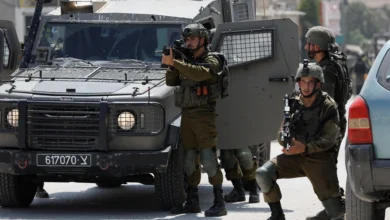

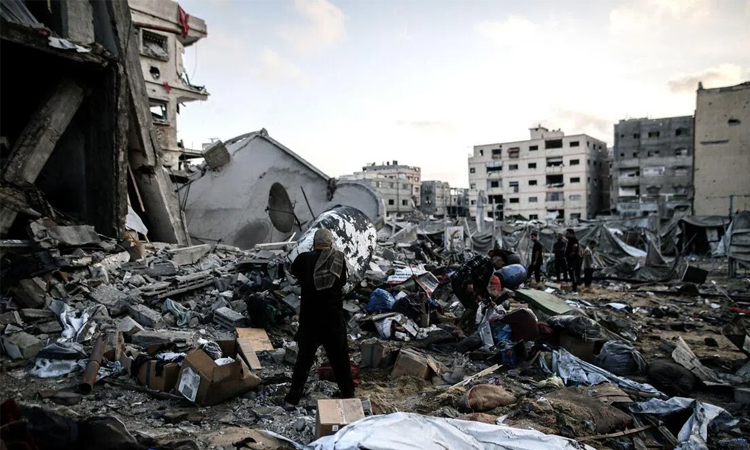
Israel has said its forces will not withdraw from Gaza unless Hamas agrees to what it described as “genuine” disarmament.
The position comes after US President Donald Trump announced an agreement that would require Hamas to completely give up its weapons as part of a broader plan for Israeli forces to leave Gaza.
Trump Announces Agreement on Hamas Disarmament
On Thursday night, President Trump announced that an agreement had been reached for the “complete disarmament” of Hamas.
According to the plan, Hamas would disarm before Israeli forces withdraw from Gaza.
The announcement has raised questions about whether Israel fully supports the agreement and whether the two sides have the same understanding of the conditions required for the next stage of the ceasefire plan.
Trump Says Israel Is Happy With the Deal
When Trump was asked on Friday whether Israel had agreed to the plan, he said he had an “understanding” with the Israeli government.
Trump also said that “Israel is very happy about it”.
His comments suggest that the US believes Israel is prepared to support the agreement and move forward with the proposed plan.
However, Israel’s latest position indicates that the issue of Hamas disarmament remains a major condition for any withdrawal of Israeli troops from Gaza.
Israel Demands Genuine Disarmament
A senior Israeli official said Israeli forces would not pull back from Gaza without “genuine” disarmament by Hamas.
This means Israel wants to see Hamas give up its weapons before it agrees to fully withdraw its forces.
The demand is likely to remain one of the most difficult issues in negotiations over the future of Gaza.
Israel has repeatedly said that Hamas cannot continue to have military capabilities if there is to be a lasting peace and security arrangement.
Hamas Sets Its Own Conditions
Hamas has also made clear that it has conditions of its own.
The group says the handover of its heavy weapons depends on Israel ending “all forms of aggression” and withdrawing its forces from Gaza.
This creates a major disagreement between the two sides.
Israel wants Hamas to disarm before it completes its withdrawal, while Hamas says its willingness to give up heavy weapons depends on Israel ending military action and leaving Gaza.
How the two sides resolve this disagreement could determine whether the ceasefire plan moves forward.
Disarmament Part of Second Phase
The disarmament of Hamas is included in the second phase of a US-brokered Gaza ceasefire plan.
The second phase is expected to involve major steps toward ending the conflict and establishing new security arrangements in Gaza.
However, the question of Hamas’ weapons remains one of the most difficult parts of the negotiations.
The two sides have yet to fully agree on how the disarmament process would take place or what guarantees would be provided to ensure that the agreement is respected.
Pressure on Hamas
Hamas has reportedly been facing increasing pressure behind closed doors as negotiations continue.
According to reports, the group has been under pressure to make decisions about its future role in Gaza and its military capabilities.
The situation remains complicated, with both sides facing demands that could be difficult to accept.
International officials and negotiators are now watching closely to see whether the agreement can overcome the major differences between Israel and Hamas.
Deal Could Still Succeed
Despite the challenges, some observers believe the agreement could still succeed if it is handled carefully.
The success of the plan will likely depend on whether both sides are willing to follow through on their commitments and whether clear arrangements can be reached on Hamas’ weapons, Israel’s military withdrawal and the future administration of Gaza.
For now, the issue of disarmament remains at the centre of the negotiations.
Israel insists that it will not withdraw from Gaza without “genuine” Hamas disarmament, while Hamas says it will only consider handing over heavy weapons after Israel ends “all forms of aggression” and withdraws from the territory.
The disagreement highlights the difficult road ahead as efforts continue to implement the second phase of the US-brokered ceasefire plan.