
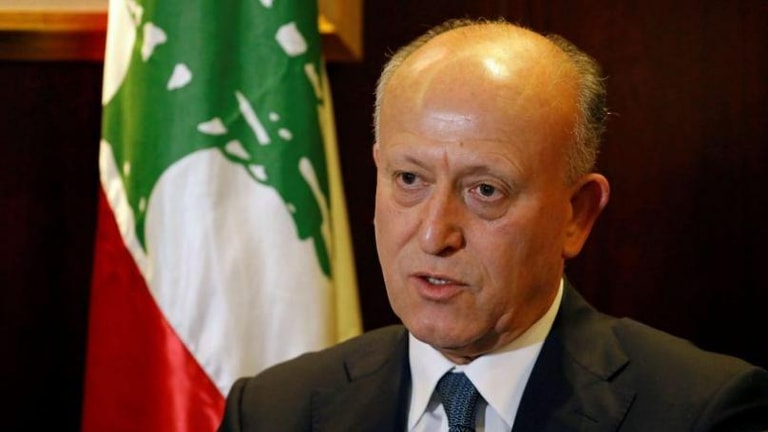
Lebanese Member of Parliament Ashraf Rifi has condemned drone attacks carried out by Iraqi militias against Saudi Arabia, describing any attack on the kingdom as a serious threat to security and stability in the region.
Rifi, who is a Lebanese lawmaker, made the comments in a statement following the reported attacks on Saudi Arabia.
He said attacks against the kingdom should not be ignored because they could create wider problems across the Middle East.
According to Rifi, the attacks require Arab countries to take a clear position against actions that threaten the safety and independence of states in the region.
Calls for Clear Arab Response
Rifi said the attacks on Saudi Arabia demand a united response from Arab countries.
He called for a clear Arab position that rejects attacks against countries and any actions that violate their sovereignty.
The Lebanese lawmaker said countries in the region should not allow armed groups to attack other states or use violence to achieve political goals.
The statement comes at a time of rising tensions in the Middle East, with concerns growing over attacks involving armed groups supported by regional powers.
Rifi argued that the actions of armed militias can have consequences that go beyond the countries where the attacks take place.
He warned that such activities could increase instability and make it more difficult to maintain peace and security across the region.
Rifi Criticises Iran-Backed Iraqi Militias
The Lebanese MP strongly criticised what he described as Iraqi militias backed by Iran.
He said their actions were unacceptable and accused them of being part of a wider effort to create instability and push regional political interests through armed groups.
Rifi said the actions of the “illegitimate, Iran-backed Iraqi militias” are “condemned” and fit within “a systematic policy that uses proxies to destabilize and impose regional agendas by force”.
His comments reflect wider concerns in the Middle East about the role of armed groups that receive support from regional powers.
Several countries in the region have accused Iran-backed groups of carrying out attacks or supporting military activities in different parts of the Middle East.
These groups have become part of a wider regional struggle involving several governments and political forces.
Expresses Solidarity With Saudi Arabia
Rifi also expressed his support for the Saudi government and people following the reported attacks.
He said Saudi Arabia has the right to protect itself and take measures to defend its territory and national security.
“We declare our solidarity with the Kingdom of Saudi Arabia, and affirm its legitimate right to take all decisive measures to defend its security and sovereignty in accordance with international law.”
The statement is a strong expression of support for Saudi Arabia as the kingdom faces increased security concerns linked to attacks from armed groups in the region.
Rifi’s comments also highlight the growing debate over how countries should respond to attacks carried out by non-state armed groups.
Concerns Over Regional Security
The attacks have added to existing concerns about security and stability in the Middle East.
Saudi Arabia plays an important role in the region, both politically and economically.
The kingdom is also one of the world’s major oil producers, meaning that any serious security threat affecting the country could have consequences beyond the Middle East.
Attacks on Saudi territory or energy infrastructure could potentially affect global energy markets and increase concerns about the safety of oil supplies.
For this reason, officials and political leaders across the region have continued to monitor developments closely.
Rifi’s warning that attacks against Saudi Arabia represent a threat to regional security reflects concerns that continued violence could lead to a wider escalation.
Call for Respect for National Sovereignty
At the centre of Rifi’s statement is the issue of national sovereignty.
He argued that countries should be allowed to protect their territories without facing attacks from armed groups operating across borders.
He also called for Arab countries to reject the use of militias as tools for advancing political agendas.
According to Rifi, allowing such actions to continue could create greater instability and make peaceful solutions more difficult to achieve.
His comments come as tensions continue to rise across parts of the Middle East, where armed groups and governments remain involved in ongoing conflicts and political disputes.
The Lebanese lawmaker’s statement therefore adds to calls for stronger regional action to prevent further attacks and protect the security of countries in the region.
As the situation develops, attention is likely to remain focused on Saudi Arabia’s response and on whether the latest attacks could lead to further military escalation in the region.