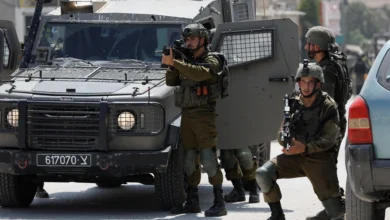

Saudi The United States and Saudi Arabia have carried out military strikes against Iran-backed militia groups in Iraq, raising concerns that the wider conflict in the Middle East could become even more serious.
The strikes were carried out against locations linked to militias that the United States says are supported and directed by Iran.
The latest attacks came after a new exchange of military action between the United States and Iran, ending a short period of calm in the conflict.
The situation has increased fears that the fighting could spread to more countries in the region and affect important energy routes.
US Says Strikes Targeted Iran-Aligned Groups
The US Central Command, also known as Centcom, said American and Saudi forces targeted groups it described as Iran-aligned terrorists.
According to Centcom, the groups had been directed by Iran’s Islamic Revolutionary Guard Corps, or IRGC, to carry out attacks against US forces and Saudi energy facilities.
Centcom said US and Saudi fighter jets attacked several locations in eastern Iraq.
The targets reportedly included logistics and weapons sites that were being used by the militia groups.
The US military said the strikes were carried out in response to more than 30 drone attacks that it said had been directed by the IRGC over a period of 72 hours.
Centcom described the drone attacks as “unwarranted” and said the attacks had failed.
“The IRGC and its terrorist proxies must cease these attacks to avoid further U.S. military response,” the Centcom statement said.
The statement suggests that the US could take further military action if attacks against its forces or its allies continue.
PMF Reports Deaths and Injuries
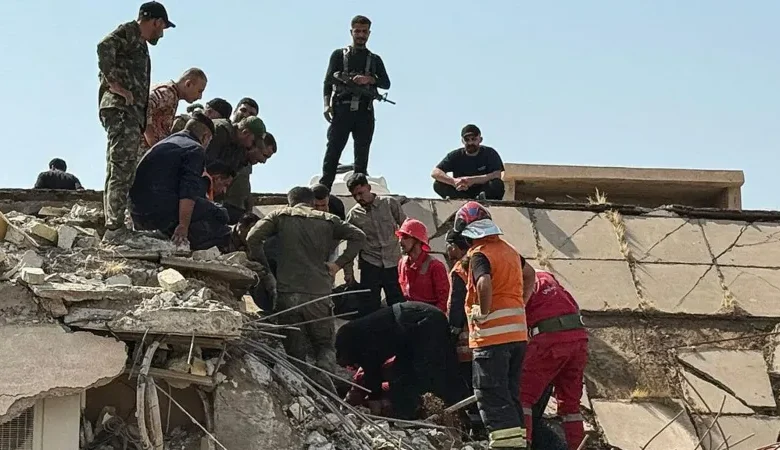
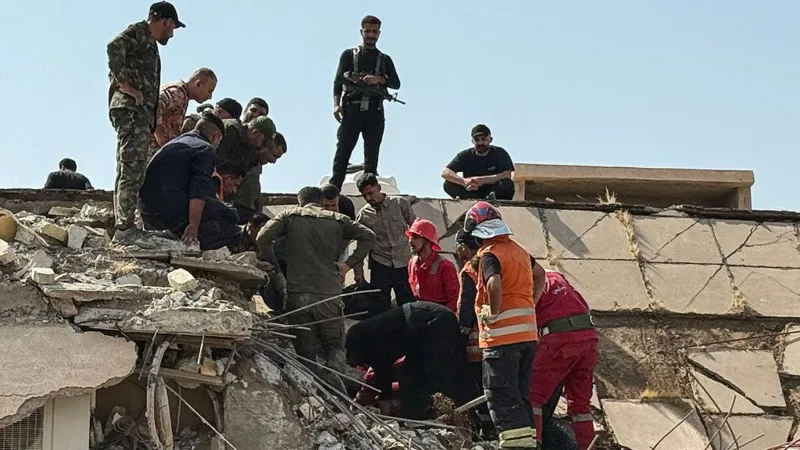
Iraq’s Popular Mobilisation Forces, commonly known as the PMF, said the US and Saudi strikes had caused significant casualties among its members.
The group said at least 20 of its fighters were killed in the attacks on several of its bases in Iraq.
It also reported that 32 other members were wounded.
The PMF described the military action as a “dangerous escalation”.
The group also accused the United States and Saudi Arabia of violating Iraq’s sovereignty.
The latest strikes could put further pressure on the Iraqi government, which has to deal with the presence of armed groups operating inside the country while also managing its relationships with both the United States and Iran.
Who Are the Popular Mobilisation Forces?
The Popular Mobilisation Forces are an umbrella organisation made up mainly of Shia Muslim militias.
The group was formally integrated into Iraq’s armed forces, but it includes several powerful Iran-backed organisations.
Some of these groups have close ties to Iran and are part of a wider network of groups that Tehran has supported across the Middle East for many years.
These Iran-backed groups have been involved in attacks against US forces and American interests in Iraq on several occasions.
Their stated aim has often included putting pressure on the United States to withdraw its remaining troops from Iraq.
The US has responded to such attacks with military strikes against militia positions.
The latest action therefore follows a pattern of attacks and counterattacks involving the US, Iran-backed groups and other countries in the region.
Iran Launches Missiles at US Forces
The strikes in Iraq came only hours after Centcom announced that Iran had launched missiles toward US forces in the Middle East.
The US military described the attack as an “attempted surprise attack”.
According to the United States, the Iranian missile attack took place at 17:45 EDT, or 21:45 GMT, on Tuesday.
The US said all of the missiles were successfully intercepted.
The attack brought an end to a short period in which there had been no major direct exchange of strikes between the United States and Iran.
The Iranian Revolutionary Guard Corps, however, said its missiles were aimed at a US air base and a command centre in Jordan.
The IRGC described the action as a response to what it called American aggression.
The two sides therefore continue to give very different accounts of the events and the reasons behind the attacks.
IRGC Claims Attacks in Strait of Hormuz
The IRGC also said its naval forces had attacked three oil tankers in the Strait of Hormuz.
According to the Iranian military organisation, the ships had ignored warnings and travelled along what it described as an unsafe and illegal route.
The Strait of Hormuz is one of the world’s most important waterways for the transportation of oil and other energy products.
Any major disruption in the area could have serious effects on global energy supplies.
The security of the strait has therefore become one of the most important issues in the growing conflict.
Saudi Arabia Reports Drone Attacks
Saudi Arabia also reported that its military had intercepted and destroyed drones targeting petroleum facilities in the eastern part of the country.
Defence Ministry of Saudi spokesman Maj Gen Turki al-Maliki accused Iran-affiliated militia groups based in Iraq of launching the drones.
The accusation has added to tensions between Saudi Arabia and Iran.
Saudi Arabia is one of the world’s major oil producers, making its energy facilities particularly important to the global economy.
Any successful attack on Saudi oil infrastructure could affect energy supplies and push up prices around the world.
Iran Denies Connection to Drone Attacks
Iran has denied being responsible for the drone attacks against Saudi Arabia.
According to Reuters news agency, an Iranian defence official quoted by Iranian state television rejected claims linking Tehran to the attacks.
The official also warned that blaming Iran for attacks against US interests in the region would be a “major miscalculation”.
The denial comes as tensions continue to rise between Iran and the United States and their respective allies.
While Washington and Riyadh accuse Iran-backed groups of carrying out attacks, Tehran has rejected direct responsibility for the drone strikes.
Conflict Resumes After Brief Pause
The renewed fighting happened only about 24 hours after US President Donald Trump spoke about what he described as “very friendly negotiations” with Iran.
At the time of his comments, the United States and Iran had gone three consecutive days without exchanging strikes.
That pause had followed 13 nights of US bombing operations.
The United States said its military had destroyed tunnels and bridges in southern Iran during the campaign.
Reports indicated that scores of people had been killed in the strikes.
The latest exchange of attacks has now raised questions about whether any future negotiations can succeed while military action continues.
Iran has also denied that formal talks are taking place, despite statements from the United States suggesting that discussions may be possible.
Strait of Hormuz Remains a Major Concern
The Strait of Hormuz remains one of the biggest issues in the conflict.
The narrow waterway is a major route for oil shipments from the Gulf region to international markets.
Any decision to restrict or disrupt movement through the strait could have a major impact on global energy supplies.
The United States and its allies are concerned about maintaining freedom of movement through the waterway.
Iran, meanwhile, has made clear that it considers the area an important part of its security and military strategy.
The disagreement over access and control of the strait has therefore become a major challenge in any possible effort to reduce tensions.
Oil Prices Rise as Fears Grow
The latest military developments have already affected energy markets.
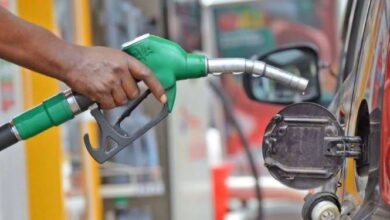
Oil prices rose early on Wednesday as investors became increasingly concerned that the conflict could become wider and disrupt oil shipments through the Strait of Hormuz.
A prolonged disruption in the waterway could reduce the amount of oil reaching international markets.
This could lead to higher energy prices and create additional economic problems for countries that depend heavily on imported oil.
Consumers could also feel the effects if higher oil prices lead to increased costs for fuel, transportation and other goods.
Conflict Could Widen Further
The latest strikes have created a new and dangerous situation in the Middle East.
The United States has warned Iran and its allied militia groups to stop attacks against American forces and its partners.
Iran, on the other hand, has defended its military actions and rejected some of the accusations made against it.
Saudi Arabia has also become more directly involved after reporting attacks against its energy infrastructure.
With the US, Iran, Saudi Arabia and armed groups in Iraq all involved in the latest developments, there are growing fears that the conflict could spread further.
The situation remains closely watched by governments and international organisations as they assess the risks to regional security and global energy supplies.
For now, the return of military strikes has ended the short period of calm and increased uncertainty about what could happen next. The biggest concerns are whether more attacks will follow, whether the Strait of Hormuz will remain open to international shipping and whether diplomatic efforts can prevent the conflict from becoming even larger.