
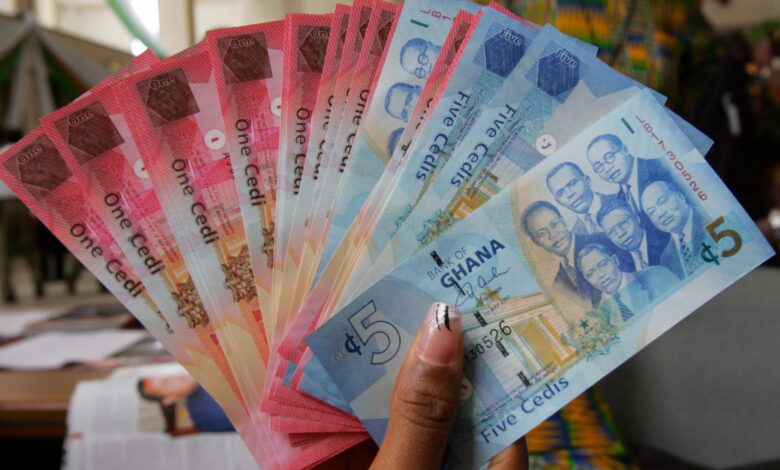
The Ghana cedi and the United States dollar are two currencies that many people in Ghana hear about every day.
When the cedi gains value against the dollar, people may see changes in the prices of imported goods, travel costs, business expenses, and other parts of daily life.
When the cedi loses value, the opposite can happen. Imported products may become more expensive, businesses may face higher costs, and people may need more cedis to buy the same amount of dollars.
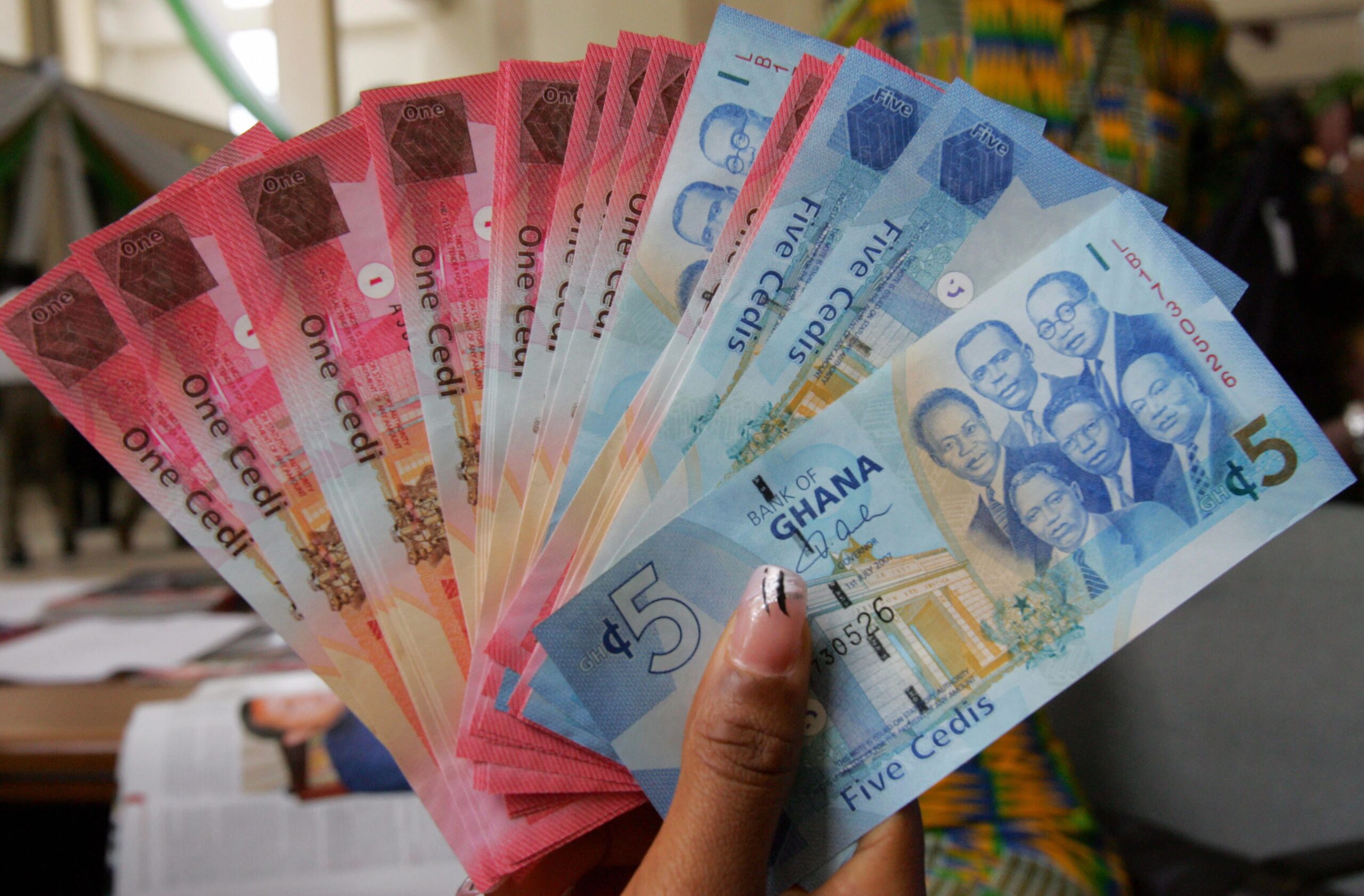
But why does the Ghana cedi rise or fall against the US dollar?
Many people ask this question when they see changes in exchange rates at banks, forex bureaus, and other financial institutions.
The answer is not based on one single factor. Several economic forces can affect the value of the cedi.
In this guide, MyRoyalFM explains some of the main reasons why the Ghana cedi gains or loses value against the US dollar.
What Does It Mean When the Cedi Gains Value?
When the Ghana cedi gains value against the US dollar, it means you need fewer cedis to buy the same amount of dollars.
For example, imagine that you previously needed GH¢15 to buy US$1.
If the exchange rate later changes to GH¢14 for US$1, the cedi has gained value against the dollar.
This is sometimes called cedi appreciation.
A stronger cedi can make imported goods and services cheaper in cedi terms, assuming other costs remain unchanged.
It can also reduce the amount of cedis needed by people and businesses that have to make payments in US dollars.
What Does It Mean When the Cedi Loses Value?
The opposite happens when the cedi loses value.
Imagine you need GH¢15 to buy US$1, but later you need GH¢16.
In this example, the cedi has lost value against the dollar.
This is known as cedi depreciation.
When the cedi becomes weaker, people and businesses that need US dollars may have to spend more cedis to get the same amount of dollars.
This can affect businesses that import products, students who pay fees abroad, people travelling outside Ghana, and companies that have debts or other obligations in foreign currencies.
1. Supply and Demand for US Dollars
One of the most important factors affecting exchange rates is supply and demand.
Just like many other things in an economy, the price of a currency can be influenced by how much of it is available and how many people want it.
When demand for US dollars is high, the dollar may become more expensive in terms of cedis.
For example, Ghanaian businesses may need dollars to pay foreign suppliers for imported goods.
Individuals may also need dollars for international travel, education, medical treatment, or other payments.
If the demand for dollars is greater than the supply available in the market, this can put pressure on the cedi.
On the other hand, when more dollars enter Ghana and supply increases, pressure on the cedi may reduce.
This can happen when Ghana receives more export earnings, remittances, foreign investment, or other foreign currency inflows.
2. Ghana’s Export Earnings
Exports are another important factor.
Ghana earns foreign currency when it sells goods and services to other countries.
Some of the country’s major export products include gold, cocoa, and oil.
When export earnings increase, more foreign currency can enter the country.
This can help improve the supply of dollars and other foreign currencies.
However, the impact can depend on many factors, including global commodity prices, production levels, and how much foreign currency Ghana retains within the economy.
For example, if the price of a major export commodity rises, Ghana may earn more foreign exchange from its exports.
If export earnings fall sharply, the supply of foreign currency could come under pressure.
3. Imports
Ghana imports many products and services from other countries.
Businesses may import vehicles, machinery, electronics, fuel, medicines, food products, and other goods.
Importers often need foreign currency to pay suppliers outside Ghana.
When the demand for imports increases, the demand for US dollars may also rise.
If the supply of dollars does not increase at the same pace, this could put pressure on the cedi.
This is one reason why the balance between exports and imports matters when looking at the country’s foreign exchange position.
4. Remittances From Ghanaians Abroad
Remittances are another important source of foreign currency.
Many Ghanaians living and working abroad send money back home to support their families.
When these funds enter Ghana, they can increase the supply of foreign currency available in the economy.
Remittances can therefore play an important role in the country’s foreign exchange market.
The amount of money sent home can change over time depending on economic conditions in the countries where Ghanaians live and work.
5. Foreign Investment
Foreign investment can also affect the supply of foreign currency.
When international investors bring money into Ghana to invest in businesses, projects, or financial assets, foreign exchange enters the country.
This can support the supply of dollars and other currencies.
However, the opposite can happen when investors take money out of the country.
Large movements of investment funds can therefore influence currency markets.
Investor confidence also matters.
When investors feel confident about the economy, they may be more willing to invest.
When uncertainty increases, some investors may become more cautious.
6. Inflation
Inflation can also influence the value of a currency.
Inflation happens when the general prices of goods and services rise over time.
If inflation in Ghana remains high compared with inflation in major trading partners, it can affect the purchasing power of the cedi.
High inflation can also influence how people and businesses manage their money.
When people expect the value of a currency to fall, some may seek to hold foreign currency or other assets.
This can increase demand for foreign exchange and put additional pressure on the local currency.
However, inflation is only one part of a much bigger picture.
7. Interest Rates
Interest rates can influence investment decisions and currency movements.
When interest rates change, investors may reconsider where they want to keep their money.
Higher interest rates can sometimes make local financial assets more attractive to investors.
However, the relationship between interest rates and exchange rates is complicated.
Investors also consider inflation, economic stability, political conditions, and the expected future value of a currency.
This means a change in interest rates does not automatically guarantee that the cedi will strengthen.
8. Government Debt and Economic Confidence
The country’s economic situation can influence confidence in the cedi.
Investors and businesses look at factors such as government debt, economic growth, inflation, fiscal policy, and the country’s ability to meet its financial obligations.
When confidence improves, it can support investment and economic activity.
When concerns about the economy increase, pressure on the currency may also rise.
This is why economic reforms and fiscal policies can have an indirect impact on exchange rates.
9. Global Economic Conditions
The Ghana cedi does not operate in isolation.
Events happening outside Ghana can also affect the local currency.
The US dollar is widely used in international trade and finance. When global investors become more concerned about economic uncertainty, they may move money into assets they consider safer.
This can increase demand for the US dollar.
Global interest rates, oil prices, geopolitical tensions, and major economic events can also influence currency markets.
As a result, the cedi can sometimes move because of events happening far beyond Ghana’s borders.
10. Actions by the Bank of Ghana
The Bank of Ghana plays an important role in the country’s financial system and monetary policy.
The central bank monitors developments in the foreign exchange market and the wider economy.
Its policies can influence inflation, interest rates, liquidity, and confidence in the financial system.
The Bank of Ghana also publishes information about monetary policy and foreign exchange developments.
People who want to understand movements in the cedi should therefore pay attention to official announcements and economic data from the central bank.
Why Does the Cedi Sometimes Change Quickly?
Currency markets can react quickly to new information.
For example, a major economic announcement can change expectations among investors and businesses.
Changes in global markets can also affect the exchange rate.
This means the value of the cedi can move from one day to another.
However, short-term movements do not always tell the full story.
The long-term direction of a currency is influenced by broader economic conditions.
This is why it is important to look at trends over time rather than focusing only on one day’s exchange rate.
How Does a Weak Cedi Affect Ordinary Ghanaians?
A weaker cedi can affect people in different ways.
One major impact is on imported goods.
If a business needs more cedis to buy dollars, the cost of importing products may increase.
The business may then pass some of these higher costs on to consumers.
This can affect prices for products such as electronics, vehicles, spare parts, medicines, and other imported goods.
People who travel abroad may also need more cedis to buy the same amount of foreign currency.
Students studying outside Ghana and families supporting relatives abroad may also feel the impact.
Can a Stronger Cedi Reduce Prices?
A stronger cedi can reduce the local currency cost of imported goods, but this does not always mean prices will immediately fall.
Many other factors affect the final price of a product.
These include:
Transportation costs
Taxes and duties
Fuel prices
Storage costs
Business expenses
Global commodity prices
Profit margins
For this reason, a stronger cedi may help reduce some costs, but consumers may not see an immediate reduction in every price.
How Can People Protect Their Finances?
People cannot control the exchange rate, but they can make careful financial decisions.
One important step is to avoid unnecessary debt in foreign currencies if your income is mainly in cedis.
For example, if you earn your salary in cedis but take a loan that must be repaid in US dollars, a sharp fall in the cedi could make your repayments more expensive.
People should also build emergency savings where possible and avoid making major financial decisions based only on short-term currency movements.
If you are considering foreign currency investments or other financial products, it is important to understand the risks and seek advice from a qualified professional where necessary.
The Bottom Line
The Ghana cedi gains or loses value against the US dollar for many reasons.
The most important factors include:
Supply and demand for foreign currency
Export earnings
Imports
Remittances
Foreign investment
Inflation
Interest rates
Government finances
Global economic conditions
Confidence in the economy
Monetary and economic policies
No single factor determines the exchange rate.
The cedi’s value reflects a combination of local and international economic forces.
For ordinary Ghanaians, understanding these factors can make it easier to understand why the prices of some goods change and why the amount needed to buy US dollars can rise or fall.
The exchange rate is also only one part of the wider economy. To understand where the cedi may be heading, it is important to look at inflation, interest rates, exports, imports, government finances, foreign exchange reserves, and global economic conditions together.
As with any financial topic, readers should rely on current information from official sources such as the Bank of Ghana when making important financial decisions.