
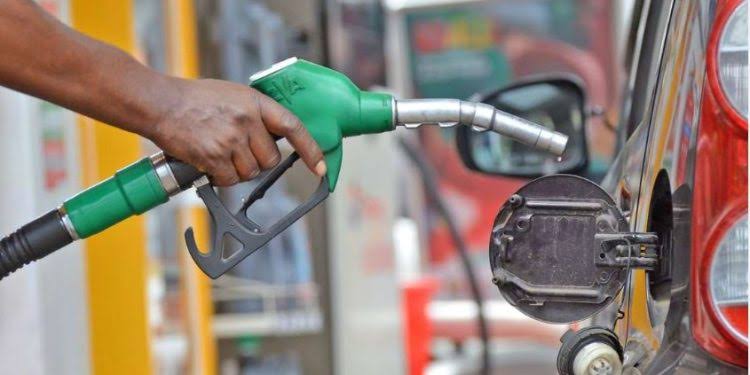
Some Oil Marketing Companies (OMCs) in Ghana have started increasing fuel prices at their filling stations, following a sharp rise in global petroleum prices and pressure from the weakening Ghana cedi.
The latest increases are part of Ghana’s bi-weekly fuel price review system, which operates under the country’s petroleum price deregulation policy.
The development means motorists and other fuel consumers are likely to pay more for petrol and diesel as more OMCs adjust their prices in the coming days.
Star Oil Increases Petrol and Diesel Prices
Major industry player Star Oil was among the first companies to increase its fuel prices for the latest pricing window.
Effective August 1, 2026, the company increased the price of petrol from GH¢14.47 to GH¢14.53 per litre.
The price of diesel also went up significantly, moving from GH¢17.67 to GH¢18.77 per litre.
Star Oil’s new petrol price was the same as the price floor announced by the National Petroleum Authority (NPA).
The latest adjustment is also the third time Star Oil has reviewed its pump prices since July 15, 2026.
Global Fuel Prices Have Increased Sharply
The Chief Executive of Star Oil, Philip Tieku, previously explained that international petroleum prices had risen sharply during the latest pricing period.
In a Facebook post published on July 24, 2026, Mr. Tieku said the increase in global prices was putting pressure on local fuel prices.
“World market prices of gasoline have increased by nearly 20%, while diesel prices have risen by approximately 25%”, he stated.
The rise in international fuel prices has come at a time when the Ghana cedi has also lost some value against the US dollar.
Because Ghana imports a large amount of its petroleum products, changes in international oil prices and the exchange rate can have a direct impact on the prices consumers pay at local fuel stations.
Why Some OMCs Are Increasing Prices Early
According to Mr. Tieku, many OMCs purchase petroleum products on a daily cash-and-carry basis.
This means that when companies buy new stocks, they pay prices based on the latest international petroleum prices and the current exchange rate.
As a result, some companies have already started adjusting their prices instead of waiting until the official beginning of the new pricing window.
The move is also intended to prevent arbitrage opportunities, where traders could take advantage of price differences between companies or different periods.
More Fuel Price Increases Expected
More OMCs are expected to review their fuel prices in the coming days.
Some companies were expected to adjust their prices on August 2, 2026, while others told Joy Business that they planned to make changes on Monday, August 3.
Some industry players have indicated that they will follow the latest industry price quotes.
Based on these projections, petrol could sell for at least GH¢15.23 per litre at some stations, while diesel could be priced at GH¢17.45 or potentially rise above GH¢18 per litre.
However, some market analysts believe the increase may not be as severe for all consumers.
They argue that several OMCs have already increased their prices in recent weeks. Therefore, some of the latest changes may have already been partly reflected in prices at certain filling stations.
Transport Fares Could Also Come Under Pressure
The latest fuel price increases could create additional pressure on the government to consider calls for higher transport fares.
The Ghana Private Road Transport Union has already been pushing for an increase in transport fares due to rising operating costs.
With fuel accounting for a major part of the daily expenses of commercial transport operators, another increase in petrol and diesel prices could strengthen the union’s argument for a fare adjustment.
The development could therefore put pressure on the Transport Minister to respond to the request from transport operators.
Global Oil Prices Drive Expected Increase
The Chamber of Oil Marketing Companies (COMAC) has attributed the expected rise in fuel prices to a combination of factors.
One of the main reasons is the sharp increase in global crude oil prices.
According to COMAC, average crude oil prices rose by 23.25% during the review period.
Prices of refined petroleum products also increased significantly.
Diesel recorded the biggest increase at 24.84%, while petrol prices rose by 12.58%. LPG prices also increased by 12.24%.
The average price of crude oil reportedly increased from US$71.90 to US$88.62 per barrel during the period under review.
These increases have raised the cost of importing petroleum products into Ghana.
Geopolitical Tensions Add to Oil Price Pressure
COMAC also pointed to growing geopolitical tensions as another major reason behind the increase in global oil prices.
Developments linked to the US-Iran conflict and uncertainty surrounding the reopening of the Strait of Hormuz have contributed to concerns about the global supply of crude oil and petroleum products.
Although early hopes of a possible peace agreement briefly helped reduce oil prices, further developments have increased uncertainty in the global oil market.
Iran’s rejection of Oman’s shared-control proposal, renewed tanker attacks, and continued restrictions on shipping have all contributed to continued concerns about the movement of oil supplies.
These developments have helped keep Brent crude oil prices close to US$88 per barrel.
Ghana Cedi Depreciation Also Affects Fuel Prices
The weakening of the Ghana cedi against the US dollar is another major factor behind the latest fuel price increases.
Since petroleum products are largely imported and international transactions are conducted in US dollars, a weaker cedi means importers need more Ghana cedis to pay for the same amount of fuel.
For the August 1 pricing window, the exchange rate reportedly moved from GH¢11.4970 to GH¢11.6593 to the US dollar.
This represents a 1.41% depreciation of the cedi against the dollar.
The depreciation has added to the cost of importing petroleum products and has increased the pressure on OMCs to adjust their pump prices.
What Consumers Should Expect
With more OMCs expected to review their prices in the coming days, motorists should prepare for further changes at filling stations across the country.
The final price consumers pay will depend on the individual OMC, its cost of purchasing fuel, and its pricing strategy.
However, the combination of higher international crude oil prices, rising refined petroleum product prices, and the depreciation of the Ghana cedi is likely to keep pressure on fuel prices in the short term.
The increases could also have wider effects on the Ghanaian economy.
Higher fuel prices often increase transportation costs, which can affect the prices of food, goods, and services. For commercial drivers, higher fuel costs can also increase daily operating expenses.
As the latest pricing window continues, consumers and businesses will be watching closely to see how other OMCs respond and whether the government takes any action in response to calls for higher transport fares.
For now, the key factors driving the latest fuel price increases remain global oil market conditions, rising refined petroleum prices, and movements in the Ghana cedi.