


Ask a Ghanaian teenager what they want to be when they grow up, and a few years ago, professional gamer would not have made the list.
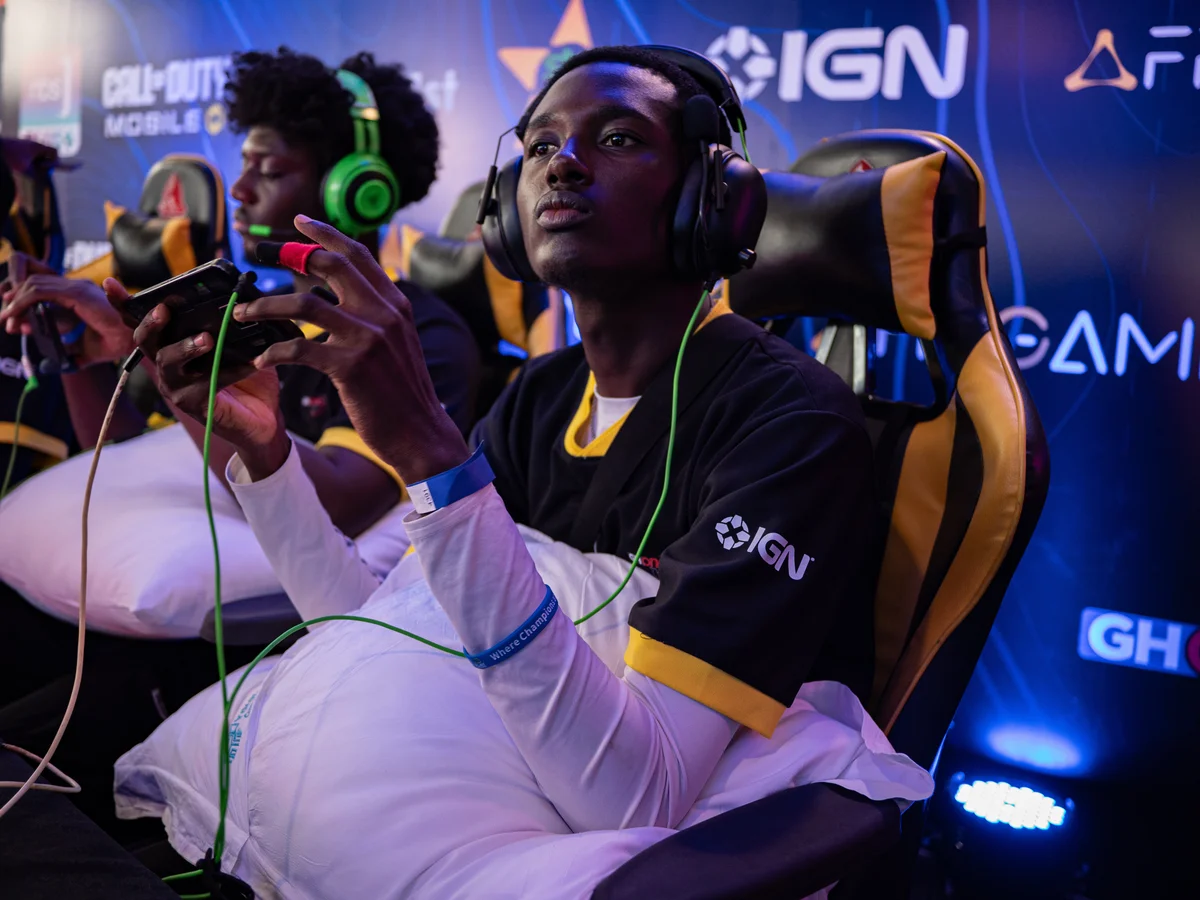
Today, that answer is becoming more common. E-sports, or competitive video gaming, has grown from a niche hobby played in internet cafes into an organized, increasingly professional pursuit with tournaments, sponsorships, and a small but growing group of players earning real income from it.
This shift reflects a global trend, but it is taking on a distinct shape in Ghana, shaped by mobile gaming, limited infrastructure, and a young population hungry for new opportunities.
Here is a closer look at how e-sports is developing in the country and what it means for the next generation of competitive gamers.
What E-Sports Looks Like in Ghana
Globally, e-sports covers a wide range of games, from strategy titles like Dota 2 to first-person shooters like Call of Duty.
In Ghana, mobile gaming dominates the scene, largely because smartphones are far more accessible than gaming consoles or high-end computers.
Titles like PUBG Mobile, Free Fire, and FIFA Mobile have built large competitive communities, with local tournaments regularly drawing hundreds of participants.
Console and PC gaming communities exist as well, particularly around football simulation games and fighting games, but they tend to be concentrated in Accra and a handful of other urban centers where gaming lounges and better internet infrastructure are available.
Local gaming communities have organized themselves through social media groups, WhatsApp communities, and gaming cafes that double as informal training grounds.
These spaces have become the starting point for many of the country’s most competitive players.
From Hobby to Tournament Circuit
The path from casual gaming to competitive e-sports in Ghana usually starts the same way it does anywhere else. A player becomes skilled enough to consistently beat friends and local competitors, then starts looking for bigger challenges.
Local tournaments, often organized by gaming communities, telecom companies, or gaming cafes, provide the first real competitive structure.
These events range from small local competitions with modest cash prizes to larger tournaments backed by corporate sponsors, offering bigger rewards and more visibility.
Success in local tournaments can open the door to regional and continental competitions. Africa has a growing e-sports circuit, with events that bring together top players from multiple countries, offering larger prize pools and, importantly, exposure to international scouts and gaming organizations looking for new talent.
How Players Are Making Money
For the small number of Ghanaian gamers reaching a competitive level, income tends to come from several sources rather than one dominant paycheck.
Tournament winnings. Cash prizes remain the most direct source of income, though they can be inconsistent, especially for players still building their reputation.
Streaming and content creation. Many competitive gamers build an audience by streaming their gameplay or posting highlight clips on platforms like YouTube and TikTok. This content can generate advertising revenue and, eventually, sponsorship interest.
Brand sponsorships. As gaming audiences grow, telecom companies, energy drink brands, and gaming equipment manufacturers have started sponsoring individual players or entire teams, covering costs like equipment, travel, and sometimes a monthly stipend.
Team salaries. A small number of organized gaming teams in Ghana now offer modest salaries to their top players, treating them more like traditional athletes with training schedules and performance expectations.
The Infrastructure Challenge
Despite the growing interest, e-sports in Ghana faces real structural challenges that limit how far the industry can grow in the short term.
Internet connectivity remains inconsistent outside major cities, making it difficult for players in smaller towns to compete reliably in online tournaments. Latency issues can be the difference between winning and losing at a competitive level, and unstable connections put Ghanaian players at a disadvantage against competitors with more reliable infrastructure.
Equipment costs are another barrier. While mobile gaming has lowered the entry cost compared to PC or console gaming, competing at a high level still requires a capable smartphone, a stable internet connection, and often a monthly data budget that can be difficult for young players to sustain.
There is also a lack of formal training structures. Unlike traditional sports, which often have school programs, coaches, and structured development pathways, e-sports in Ghana remains largely self-taught, with players improving through practice and community feedback rather than formal coaching.
Changing Perceptions
One of the biggest hurdles for competitive gaming in Ghana has been convincing families and the broader public that it is a legitimate pursuit rather than simply a distraction from more traditional priorities like education or conventional careers.
This perception is slowly shifting as visible success stories emerge. When a local player wins a significant tournament or earns a sponsorship deal that gets covered in local media, it changes the conversation. Parents who once discouraged gaming as a waste of time are beginning to see a potential, if still uncertain, career path.
Universities and youth organizations have also started paying attention, with a small number of institutions exploring gaming clubs or e-sports-related programming as part of broader efforts to engage young people in structured, skill-building activities.
What Growth Could Look Like
For e-sports to grow into a more stable career path in Ghana, several developments would likely need to happen.
Better and more affordable internet infrastructure would reduce the disadvantage faced by players outside major cities. Continued investment in local tournaments, backed by consistent sponsorship, would create more regular opportunities for players to compete and earn. Formal training structures, even informal coaching networks or community-run academies, could help players develop faster and more consistently.
Regional cooperation is also worth watching. As African e-sports organizations continue to build cross-border tournaments and partnerships with international gaming publishers, Ghanaian players who build strong local reputations may find more doors opening at the continental level.
The Bottom Line
E-sports in Ghana is still a young industry, without the infrastructure or investment seen in more established gaming markets. But the raw ingredients for growth are clearly present. A young, mobile-first population, a growing appetite for competitive gaming, and early examples of players turning skill into income all point toward a sector with real momentum.
For young Ghanaians who have spent years honing their skills on a smartphone screen, that momentum represents something new. Competitive gaming is no longer just a way to pass time. For a growing number of players, it is starting to look like a genuine path toward a career.





One Comment