

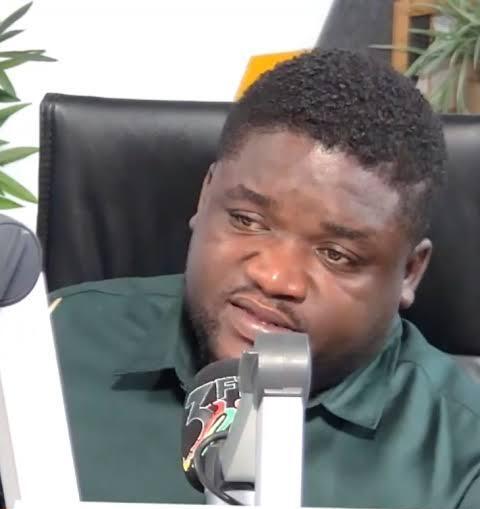
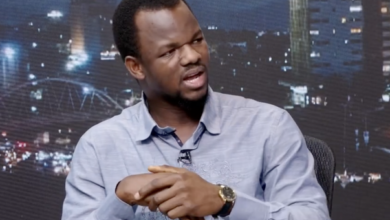
A member of the New Patriotic Party (NPP) communications team, Derrick Agyekum, has accused the government of President John Dramani Mahama of attempting to suppress criticism and weaken democratic freedoms in Ghana.
Mr Agyekum said citizens should be able to question government policies, criticise public officials and express their views without fear of arrest.
Speaking on the Wontumi Morning Show hosted by Oheneba Nana Asiedu, he argued that criticism is an important part of Ghana’s democratic system and that every government must be prepared to face public scrutiny.
His comments come amid a wider political debate over the treatment of government critics and the limits of public commentary in Ghana.
Agyekum Says Government Must Accept Criticism
According to Mr Agyekum, President Mahama has benefited from criticism throughout Ghana’s democratic history.
He questioned why citizens who criticise the current administration or raise concerns about government policies on social media should allegedly face arrest.
The NPP communicator said being in government should come with a willingness to listen to both praise and criticism.
“As President, you must accept criticism whether you are performing well or not. The people will be the ones to judge. Our brother Buhari is in police custody, the same as Adamoah. Just because they were asking the government questions, is this what we call a government?”
He argued that political leaders cannot expect everyone to agree with their decisions.
Instead, he said, citizens must be allowed to express different opinions and challenge those in authority.
NPP Communicator Raises Concern Over Arrests
Mr Agyekum also raised concerns about what he described as the arrest of individuals who have questioned the government.
He argued that citizens should not be treated as criminals simply because they ask questions or express opinions about the performance of public officials.
For him, the ability to question those in power is one of the important protections provided by Ghana’s democratic system.
He suggested that government officials should respond to criticism with explanations and evidence rather than attempts to silence their opponents.
The NPP communicator said the people ultimately have the responsibility of deciding whether a government has performed well.
Agyekum Warns Against Use of Criminal Libel Laws
Mr Agyekum accused the current administration of attempting to rely on criminal libel laws to deal with critics.
He warned that such an approach, in his view, would undermine democratic freedoms and would not succeed.
“It shows clearly that the President wants to use criminal libel laws to govern the nation, and it will never happen. We will talk until they arrest all of us.”
His comments reflect the long-running political debate in Ghana over freedom of expression, defamation and the responsibilities of people who make public accusations.
While public officials can face criticism, allegations about individuals can also raise legal questions depending on what is said and how it is presented.
Mr Agyekum, however, maintained that fear of legal action should not prevent citizens from holding government accountable.
He Defends Political Opposition
The NPP communicator also insisted that the NDC would not be able to weaken or destroy the NPP through the use of state authority.
He said the opposition party would continue to operate and challenge the government regardless of the power held by the administration.
“I will say this today and forever that the NDC would not be able to weaken or destroy the New Patriotic Party (NPP), regardless of the authority of the government in power.”
He argued that Ghana’s political history demonstrates that political parties can survive periods of intense political competition.
Mr Agyekum referred to Ghana’s first president, Dr Kwame Nkrumah, while making his point about the resilience of the NPP.
“The NDC should know that with all the authority, former President Dr. Kwame Nkrumah could not destroy the NPP. How will President John Dramani Mahama do it? It will never happen.”
His comments underline the NPP’s position that the party will continue to operate as a major opposition force despite the NDC’s control of government.
Reference to Akufo-Addo’s Role in Democratic Freedoms
Mr Agyekum also referred to former President Nana Addo Dankwa Akufo-Addo’s time as Attorney-General under former President John Agyekum Kufuor.
He said Akufo-Addo played a role in protecting democratic freedoms and allowing citizens and political opponents to express their views.
The comparison was used to argue that governments should tolerate criticism even when the criticism is directed at the administration itself.
According to Mr Agyekum, political leaders must understand that opposition voices are part of the democratic process rather than a threat that should automatically be suppressed.
Agyekum Challenges Government’s Youth Claims
Beyond the issue of freedom of expression, Mr Agyekum also criticised the Chief Executive Officer of the Youth Employment Agency, Malik Basintale.
His criticism followed claims that the government had fulfilled some of its promises to young people.
Mr Agyekum questioned whether the government had actually delivered on the campaign promises it made to the youth before taking office.
He said citizens should be able to ask government officials whether promised programmes have been implemented and whether those programmes are producing the expected results.
The NPP communicator argued that public officials should be prepared to answer such questions because they are responsible for managing public resources and implementing government policies.
He Calls for Greater Accountability
Mr Agyekum said public scrutiny should not be viewed as an attack on government.
Instead, he described criticism as an essential part of accountability.
Governments make promises during election campaigns, develop policies after taking office and spend public money to implement those policies.
Citizens, according to his argument, should therefore have the opportunity to examine whether those promises are being fulfilled.
He said people should be able to ask difficult questions without feeling that doing so could expose them to arrest.
For the NPP communicator, accountability becomes weaker when citizens are afraid to criticise those in power.
Freedom of Expression Remains a Key Democratic Issue
Freedom of expression is one of the issues that frequently features in Ghana’s political discussions.
The country’s democratic system allows citizens to participate in public debate, criticise policies and express different political opinions.
However, freedom of expression does not mean that every statement is automatically protected from legal consequences.
The challenge for democratic institutions is to balance the protection of free speech with the enforcement of laws that apply to harmful or unlawful conduct.
Mr Agyekum’s comments focus on what he sees as the need to ensure that legal powers are not used to discourage legitimate criticism.
Social Media Has Changed Political Debate
Social media has also transformed the way Ghanaians interact with politicians and government institutions.
Platforms such as Facebook, X, TikTok and other online channels allow citizens to comment on government decisions almost immediately.
Politicians and public officials are now regularly questioned by ordinary citizens who previously had limited opportunities to engage directly with people in authority.
At the same time, social media has created new challenges because false claims, insults and unverified allegations can spread quickly.
This has made the debate over freedom of expression even more complicated.
Mr Agyekum’s position is that the possibility of criticism, including criticism posted online, should remain an important part of Ghana’s democratic culture.
NPP Says It Will Continue to Challenge Government
Despite the concerns he raised, Mr Agyekum made it clear that the NPP intends to continue holding the government accountable.
He said members of the opposition would continue speaking about issues they believe require public attention.
His comments also suggest that the NPP sees public criticism as part of its responsibility as an opposition party.
The party is expected to continue assessing government policies and challenging claims made by government officials as the Mahama administration implements its programmes.
The Government Faces Pressure to Defend Its Record
The comments also highlight the political pressure facing the government as it seeks to demonstrate that it is delivering on its promises.
Government officials have repeatedly had to defend their performance against criticism from the opposition and other groups.
The opposition, meanwhile, has a responsibility to scrutinise government policies and present alternative views.
This back-and-forth is a normal feature of competitive politics, but it can become heated when accusations of suppression or abuse of state power are made.
Agyekum Says Citizens Must Remain Free to Speak
Mr Agyekum concluded by stressing the importance of citizens being able to express their opinions.
He said Ghanaians should be able to challenge government officials and demand answers about public policies.
His argument is that criticism should not automatically be treated as an attempt to undermine the government.
Instead, he believes it should be seen as part of the democratic process through which citizens participate in governance.
As the political debate continues, the issue of how Ghana balances freedom of expression, public accountability and legal responsibility is likely to remain important.
For the NPP communicator, however, the principle is clear: governments must accept criticism, and citizens must be allowed to question those in power without fear.


2 Comments