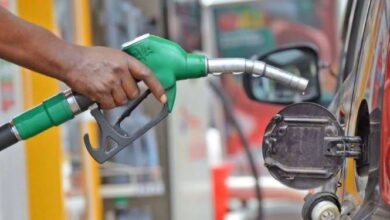
Ghana Fuel Prices Explained: Why Petrol and Diesel prices keep changing

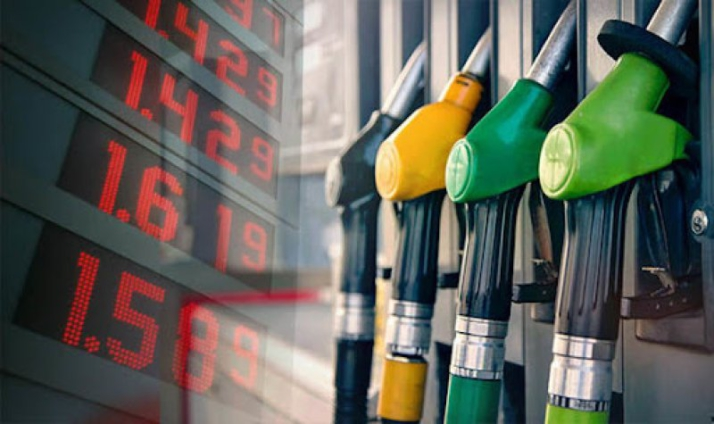
Fuel prices affect almost everyone in Ghana. Whether you drive a car, take public transport, run a business, or buy food at the market, changes in petrol and diesel prices can have a direct impact on your daily expenses.
Many people notice fuel prices going up or down every few weeks, but few understand why these changes happen. Some believe fuel companies increase prices whenever they want, while others think the government controls every adjustment.
The truth is that fuel prices are influenced by several local and international factors. Understanding these factors can help you make sense of price changes and plan your spending more effectively.
In this guide, we explain why fuel prices change in Ghana and what those changes mean for consumers and businesses.
Why Do Fuel Prices Change So Often?
Fuel prices in Ghana are reviewed regularly under the country’s petroleum pricing system. This means prices can rise, fall, or remain unchanged depending on market conditions.
The amount you pay at the pump depends on several factors rather than a single decision by one company or institution.
1. Global Crude Oil Prices
The biggest factor affecting fuel prices is the cost of crude oil on the international market.
Crude oil is the raw material used to produce petrol, diesel, and other petroleum products. When global oil prices increase, importing fuel becomes more expensive.
As a result, fuel marketing companies may adjust pump prices to reflect the higher cost of supply.
If global oil prices fall, consumers may also see lower fuel prices, although other factors can influence the final price.
2. The Ghana Cedi Exchange Rate
Most petroleum products imported into Ghana are paid for in foreign currencies, especially the US dollar.
When the Ghana cedi weakens against the dollar, importers need more cedis to buy the same amount of fuel.
This often leads to higher fuel prices at filling stations.
On the other hand, when the cedi strengthens, import costs may fall, creating room for lower pump prices.
3. Taxes and Levies
Fuel prices also include several taxes, levies, and statutory charges.
These charges help fund government programmes, road maintenance, energy-related projects, and other public services.
Changes to fuel taxes or levies can affect the amount consumers pay, even if international oil prices remain stable.
4. Transportation and Distribution Costs
After fuel arrives in Ghana, it must be transported to different parts of the country.
The cost of transporting, storing, and distributing petroleum products forms part of the final pump price.
Areas located farther from major fuel depots may sometimes experience slightly higher prices because of additional transportation costs.
5. Competition Among Fuel Companies
Fuel marketing companies compete for customers.
Some companies may temporarily reduce prices through promotions or business strategies, while others may maintain higher prices depending on their operating costs.
This is why prices can sometimes differ slightly between filling stations in the same town or city.
How Higher Fuel Prices Affect Ghanaians
When fuel prices increase, the effects are felt across the economy.
Transport operators often face higher operating costs, which may lead to increased transport fares.
Businesses that rely on generators or delivery vehicles may also spend more on fuel, increasing their overall expenses.
These higher costs can eventually affect the prices of goods and services, making everyday life more expensive for consumers.
Can Fuel Prices Go Down?
Yes.
Fuel prices can decrease when several favourable conditions come together.
These may include:
Lower global crude oil prices.
A stronger Ghana cedi.
Reduced import costs.
Stable international supply.
Lower distribution expenses.
However, prices rarely depend on one factor alone. Several economic conditions usually influence each pricing review.
Can Consumers Predict Fuel Price Changes?
Although no one can predict fuel prices with complete accuracy, consumers can follow a few important indicators.
Watching international crude oil prices, exchange rate movements, and official announcements from industry regulators can provide useful clues about future price trends.
Businesses that depend heavily on fuel often monitor these developments to help with budgeting and financial planning.
How Can You Reduce the Impact of Rising Fuel Prices?
While consumers cannot control fuel prices, they can take steps to reduce their fuel expenses.
Some practical ideas include:
Keep your vehicle properly serviced to improve fuel efficiency.
Combine several errands into one trip where possible.
Avoid unnecessary driving.
Consider carpooling with family members or colleagues.
Plan journeys to reduce time spent in traffic.
Small changes in driving habits can lead to noticeable savings over time.
Final Thoughts
Fuel prices in Ghana are influenced by a combination of international and local factors, including global oil prices, exchange rates, taxes, and transportation costs. While price changes can sometimes be frustrating, understanding how the system works makes it easier to see why adjustments happen.
For households, businesses, and transport operators, staying informed about fuel price trends can support better financial planning. Although no one can control global markets, making informed decisions about fuel use can help reduce the impact of rising costs on your budget.
Frequently Asked Questions (FAQs)
Why do fuel prices change in Ghana?
Fuel prices change because of factors such as global crude oil prices, the Ghana cedi exchange rate, taxes, transportation costs, and market conditions.
Does the government set fuel prices?
Ghana operates a deregulated petroleum pricing system, meaning fuel prices are influenced by market conditions, although taxes and regulations also play a role.
Why does the cedi affect fuel prices?
Fuel imports are usually paid for in US dollars. A weaker cedi increases import costs, which can lead to higher pump prices.
Can fuel prices fall?
Yes. Fuel prices may decrease when global oil prices fall, the cedi strengthens, or import costs decline.
Why are fuel prices different at some filling stations?
Fuel marketing companies compete with one another and may have different operating costs or pricing strategies, leading to small price differences.