
Meet Yinka Ogunbiyi, the Nigerian Engineer Behind the World’s First Braid-Assist Robot

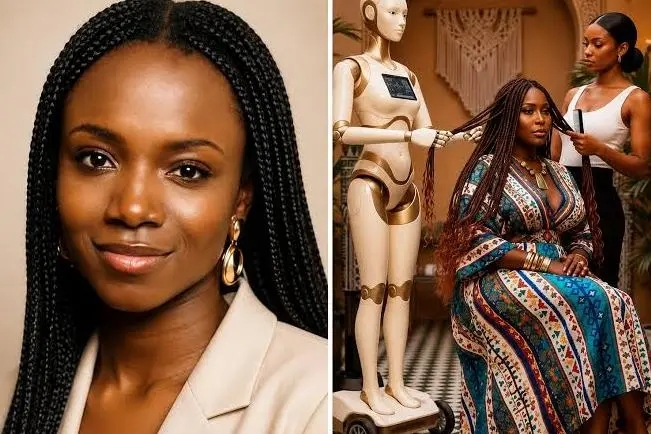
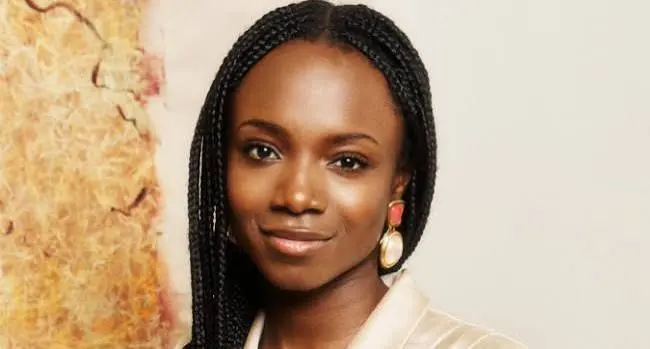
Yinka Ogunbiyi, a Nigerian-American engineer and Harvard graduate, is using technology to change the way people get their hair braided.
She is the founder of HaloBraid, a company behind what is described as the world’s first braid-assist robot.
The technology is designed to help hairstylists complete braiding services faster while reducing the physical strain caused by the many repeated hand movements involved in braiding hair.
The company has already attracted major interest after raising $7 million in seed funding.
More than 7,000 salons have also reportedly joined the waiting list for the technology, even though it has not yet been commercially launched.
Why Ogunbiyi Created HaloBraid
For millions of people who wear braids, getting their hair done can take many hours.
A typical salon appointment can last between six and 12 hours, depending on the type and length of the hairstyle.
Clients may also spend hundreds of dollars during a single appointment.
The long hours spent in the salon can be difficult for customers, but the work can also be physically demanding for the hairstylists who create the styles.
Braiding requires stylists to make thousands of repeated hand movements.
Doing this work day after day can put a lot of pressure on their hands, arms, shoulders and other parts of their bodies.
Ogunbiyi believes technology can help make the process easier without taking away the important role of hairstylists.
Her goal is not to replace the people who have spent years learning the craft.
Instead, HaloBraid is designed to work alongside them and handle some of the most repetitive parts of the job.
The Idea Started During COVID-19 Lockdown
The idea for HaloBraid was inspired by Ogunbiyi’s own experience.
During the COVID-19 lockdown in London, she decided to try braiding her own hair for the first time.
The experience quickly showed her how difficult and time-consuming the process could be.
It took her four days to complete her own braids.
That experience led her to ask why a hairstyle that has been around for thousands of years had seen so little technological development.
Ogunbiyi noticed that many other industries, including transport and medicine, had adopted advanced technology and robotics.
She began wondering whether similar technology could be used to improve the hair-braiding process.
“I know this firsthand because I’ve worn braids all my life,” Ogunbiyi said while introducing HaloBraid.
Her own experience became the starting point for an idea that would eventually grow into a technology company.
HaloBraid Raises $7 Million
The idea has since developed into a startup that has attracted significant investment.
HaloBraid recently raised $7 million in seed funding.
The funding round was led by Seven Seven Six, a venture capital firm founded by Reddit co-founder Alexis Ohanian.
The company also received support from AlleyCorp and Bling Capital.
The investment will help the company continue developing its technology as it works towards bringing the braid-assist robot to more salons.
The interest in HaloBraid has also been strong among salon owners.
According to the company, more than 7,000 salons have already joined its waiting list before the robot’s commercial launch.
The large number of salons showing interest suggests that there is demand for technology that can help make braiding services faster and easier.
Braiding Is Still Mostly Done by Hand
Braiding is one of the oldest beauty traditions in the world.
For generations, people have used different braiding techniques to create hairstyles that are important not only for beauty but also for culture and personal identity.
Despite its long history, the actual process of braiding remains mostly manual.
Hairstylists still use their hands to separate, hold and weave sections of hair for hours at a time.
Ogunbiyi estimates that people around the world collectively spend about 8 billion hours braiding hair every year.
A survey conducted by HaloBraid involving 2,000 people also found that 95% of those surveyed would choose braided hairstyles more often if salon appointments were much shorter.
This suggests that the amount of time required for braiding may stop some people from choosing the hairstyle as often as they would like.
HaloBraid aims to address this problem by helping reduce the amount of time needed to complete the braiding process.
Why Making a Hair-Braiding Robot Is Difficult
Although it may seem simple to create a robot that can braid hair, Ogunbiyi says the technology is actually very difficult to develop.
Unlike hard materials used in many industrial robots, human hair is soft and constantly moves.
Hair also comes in different textures and thicknesses.
Every client may also have different preferences when it comes to the size, tightness and appearance of their braids.
This makes it difficult to create a machine that can work effectively with different types of hair and different styling needs.
“It’s very easy to make a bad automated hair braider,” she previously explained, noting that her team tested hundreds of designs before creating a system capable of producing neat, consistent braids without pulling too tightly or too loosely.
The development team therefore had to spend time testing different designs and approaches.
The goal was to create a machine that could produce consistent results while also making sure that the client’s hair was handled carefully.
The Robot Is Designed to Help Hairstylists
One of the most important parts of HaloBraid’s design is that the robot is not meant to replace hairstylists.
Instead, it is designed to work as an assistant.
The hairstylist remains responsible for important parts of the process.
Stylists still section the client’s hair and create the foundation needed for each braid.
They also complete the finishing touches to make sure the final hairstyle looks the way the client wants.
The robot then focuses on the repetitive weaving part of the braiding process.
According to the company, HaloBraid can perform this part of the work up to five times faster while still producing professional-quality results.
This could help reduce the amount of time clients spend sitting in salon chairs.
It could also allow hairstylists to reduce the number of repetitive movements they have to perform during a long working day.
A Possible Change for the Hair Industry
The development of HaloBraid comes at a time when technology is being used to improve many parts of everyday life.
For Ogunbiyi, the goal is to bring some of that innovation to textured hair care.
If the technology works as planned, it could change the way braiding services are provided in salons.
Customers could spend less time waiting for their hairstyles to be completed, while hairstylists could have help with some of the most tiring parts of their work.
The technology could also make braided hairstyles more convenient for people who currently avoid them because of the long hours involved.
However, HaloBraid’s approach keeps the hairstylist at the centre of the process.
The human professional remains responsible for preparing the hair, guiding the styling process and completing the final look.
The robot simply assists with the repetitive weaving work.
The Future of HaloBraid
Ogunbiyi’s journey from struggling to braid her own hair during lockdown to building a company backed by $7 million in funding shows how a personal experience can lead to a new idea.
Her company is now working to develop technology that could bring robotics into an area that has traditionally depended almost entirely on human hands.
With thousands of salons already showing interest, HaloBraid is attracting attention as it prepares for its next stage.
The success of the technology could depend on how well it works with different hair textures, how comfortable clients are with using a robot during their appointments and how easily hairstylists can work alongside it.
For now, Ogunbiyi and her team are focused on creating a system that supports hairstylists rather than replacing them.
If successful, HaloBraid could help reduce long salon appointments, ease the physical demands placed on hairstylists and make braided hairstyles more accessible to millions of people around the world.