

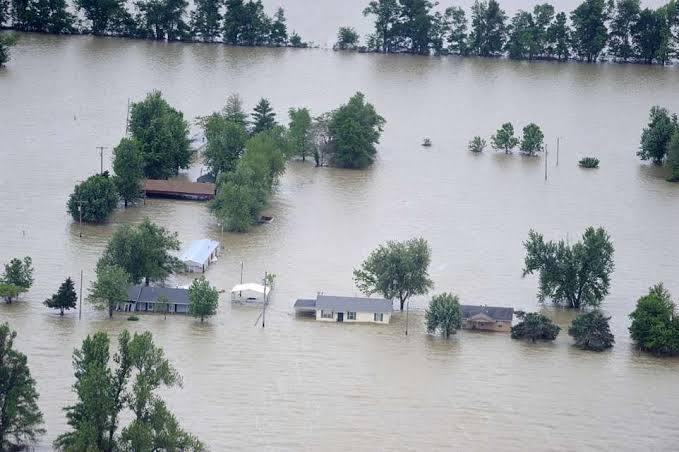
The Bagre Dam spillage is expected to begin around August 28. This annual event affects communities across northern Ghana, particularly those living along the White Volta. This piece explains what the spillage actually is, why it happens every year, and what affected communities and farmers can do to prepare.
What the Bagre Dam Actually Is
The Bagre Dam is located in Burkina Faso, upstream from Ghana along the White Volta River system. It serves multiple purposes for Burkina Faso, including hydroelectric power generation and irrigation support for agricultural activities within the country. Given its location upstream of Ghana, the dam’s operation carries direct downstream implications for Ghanaian communities situated along the same river system.
Understanding this cross-border dimension matters significantly for understanding why the spillage happens and why it requires coordination between Burkina Faso and Ghana each year, rather than being purely a domestic Ghanaian water management issue.
Why the Spillage Happens Every Year
During Ghana and Burkina Faso’s rainy season, the Bagre Dam’s reservoir fills significantly, sometimes approaching or exceeding safe capacity limits. When this happens, dam operators in Burkina Faso release, or spill, excess water to prevent the dam itself from being damaged or overwhelmed by capacity that exceeds safe engineering limits.
This controlled water release flows downstream along the White Volta, eventually reaching Ghanaian territory. While necessary for dam safety, this release significantly increases water levels and flow along the river’s path through northern Ghana, creating flooding risks for communities and farmland situated along the riverbanks.
Which Areas of Ghana Are Typically Affected
Communities across Ghana’s Upper East, Upper West, and Northern regions, situated along the White Volta and its tributaries, typically experience the most direct impact from this annual spillage. Farmland close to the riverbanks faces particular flooding risk, given the river’s tendency to overflow its banks significantly during peak spillage periods.
Residential areas in low-lying zones near the river also face flooding risk, sometimes requiring temporary evacuation for households situated in particularly vulnerable locations along the river’s path through these northern regions.
The Agricultural Impact
For farmers along the White Volta, the annual spillage carries significant, direct consequences. Crops planted close to the riverbank can be destroyed by flooding, representing genuine financial loss for farming households that depend on these crops for both household food security and market income.
This agricultural impact adds particular urgency to spillage-related preparation, since the timing often coincides with critical points in the local farming calendar, meaning flooding can destroy crops at a stage where farmers have already invested significant labor and resources into the current growing season.
How Authorities Coordinate This Annual Event
Ghana and Burkina Faso maintain ongoing coordination regarding the Bagre Dam’s operation, given the direct cross-border implications of the dam’s water release decisions. This coordination typically includes advance notification to Ghanaian authorities regarding planned spillage timing, allowing Ghana’s disaster management agencies time to alert affected communities before water levels rise significantly.
Ghana’s National Disaster Management Organisation typically plays a central role in this preparation process, working to communicate spillage timing to affected communities and coordinate any necessary evacuation or protective measures for particularly vulnerable areas.
What Communities Can Do to Prepare
For households in areas historically affected by the annual spillage, several practical preparation steps can help reduce risk and disruption. Moving valuable possessions and important documents to higher ground or safer storage locations ahead of expected water level increases represents a basic but genuinely important precaution.
Farmers with crops near the riverbank should consider, where possible, harvesting crops that are close to maturity before the expected spillage period, potentially salvaging some agricultural value that would otherwise be lost to flooding once water levels rise significantly.
Understanding Evacuation Guidance
When authorities issue evacuation guidance for particularly vulnerable areas, following this guidance promptly matters significantly for personal safety, even when it means temporary disruption and inconvenience. Flooding from dam spillage can occur relatively quickly once water levels begin rising substantially, making early evacuation considerably safer than waiting until flooding has already begun affecting a specific area.
Communities should also familiarize themselves in advance with designated evacuation routes and any temporary shelter locations identified by local disaster management authorities, rather than needing to determine this information during an actual emergency situation.
The Broader Pattern of Annual Flooding Risk
This annual spillage represents one specific, recurring contributor to broader flooding risk patterns across northern Ghana during the rainy season. Understanding this as a predictable, recurring annual event, rather than an unexpected emergency each time it occurs, can support better long-term community preparation and adaptation strategies.
Some communities have developed informal local knowledge and preparation routines built around this annual pattern over the years, reflecting the reality that this spillage has become a predictable feature of the annual calendar for many households along the affected river systems.
What Long-Term Solutions Might Look Like
Beyond annual emergency preparation, various longer-term approaches have been discussed for reducing the impact of this recurring spillage on Ghanaian communities. This includes potential infrastructure investments, such as improved flood barriers or drainage systems in particularly vulnerable areas, that could help reduce flooding impact even when spillage occurs at significant volume.
Strengthened early warning systems, providing communities with even more advance notice and more precise information regarding expected water level increases, could also help improve preparation time and reduce the overall disruption and losses communities experience each year during this recurring event.
The Regional Cooperation Dimension
This annual event also illustrates the importance of continued regional cooperation between Ghana and Burkina Faso regarding shared water resources. The White Volta river system connects these two countries directly, meaning decisions made regarding dam operation in one country carry direct, tangible consequences for communities in the other.
Continued strong bilateral coordination, including advance notification protocols and ongoing dialogue regarding dam management practices, remains important for helping Ghana’s affected communities receive adequate preparation time each year this spillage occurs.
What to Watch For as August 28 Approaches
As the expected spillage date approaches, affected communities should watch closely for official communication from Ghana’s disaster management authorities regarding specific timing and any recommended precautionary measures. This kind of official guidance typically offers the most accurate, locally specific information regarding expected water level changes and any necessary community response measures.
Farmers and households in historically affected areas should use this advance notice period to complete whatever practical preparation steps remain feasible, given the specific timeline officials have indicated for this year’s expected spillage event.
The Economic Cost Beyond Individual Farms
Beyond the direct losses experienced by individual farming households, the cumulative economic impact of this annual spillage across the wider region can be substantial. When flooding affects large areas of farmland simultaneously, it can meaningfully reduce local food supply, potentially pushing up food prices within affected regions during the months following the spillage.
This broader economic ripple effect illustrates why this annual event carries significance extending beyond the individual households directly affected by flooding, touching food markets and prices across the wider northern Ghana region during the period following each year’s spillage.
The Bottom Line
The annual Bagre Dam spillage represents a predictable, recurring challenge for communities across northern Ghana, driven by necessary dam safety operations upstream in Burkina Faso. While this cross-border water management reality cannot be entirely avoided, understanding the pattern, preparing in advance, and following official guidance when it becomes available can significantly reduce the disruption and losses affected communities experience each year.
For farmers and households along the White Volta, treating this as an expected annual event requiring proactive preparation, rather than a sudden emergency each time it occurs, offers the most practical path toward managing this recurring challenge as effectively as possible.