
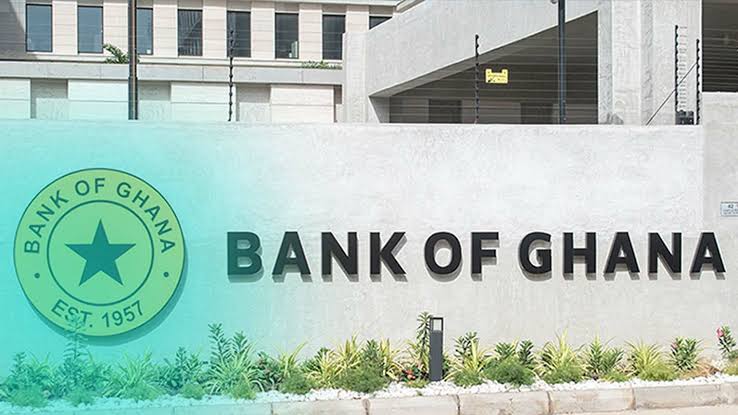
If you have ever applied for a bank loan, opened a savings account, or followed business news in Ghana, you have probably heard about the Bank of Ghana’s interest rate. It is often mentioned when inflation rises, the cedi weakens, or the central bank announces new economic measures.
But what does this interest rate actually mean, and why should ordinary Ghanaians care?
The Bank of Ghana’s policy interest rate is one of the most important tools used to manage the country’s economy. Although many people never deal with it directly, it can influence how much you pay to borrow money and how much you earn from your savings.
This guide explains how the Bank of Ghana’s interest rate works and why it matters to households, businesses, and the wider economy.
What Is the Bank of Ghana Policy Interest Rate?
The policy interest rate is the rate the Bank of Ghana uses to guide borrowing costs across the financial system.
It serves as a benchmark for commercial banks when they set interest rates on loans, mortgages, and some savings products.
When the Bank of Ghana changes this rate, banks often review their own lending and deposit rates, although the changes may not happen immediately.
Why Does the Bank of Ghana Change Interest Rates?
The Bank of Ghana adjusts the policy rate to help keep the economy stable.
One of its main goals is to control inflation, which is the general increase in the prices of goods and services over time.
When inflation is rising too quickly, the central bank may increase the policy rate. When economic activity slows and inflation is under control, it may decide to reduce the rate to encourage borrowing and investment.
How Higher Interest Rates Affect Loans
When interest rates rise, borrowing money usually becomes more expensive.
Banks may increase the interest they charge on:
Personal loans
Business loans
Home loans
Vehicle loans
As a result, monthly loan repayments may become higher, making some people think twice before borrowing.
Businesses may also delay expansion plans if borrowing costs increase significantly.
How Lower Interest Rates Affect Loans
When the Bank of Ghana lowers the policy rate, banks may reduce lending rates over time.
Lower borrowing costs can encourage people to:
Buy homes
Expand businesses
Invest in equipment
Finance education
Start new businesses
Cheaper credit can support economic growth because individuals and businesses are more willing to spend and invest.
How Interest Rates Affect Savings
Interest rates do not only affect borrowers. They also influence people who save money.
When interest rates are relatively high, banks may offer better returns on some savings and investment products.
This can encourage people to save more instead of spending immediately.
However, the interest paid on savings varies from one financial institution to another and depends on the type of account or investment.
Why Does Inflation Matter?
Inflation reduces the purchasing power of money.
For example, if prices rise sharply while your income remains the same, you may be able to buy fewer goods and services.
One reason the Bank of Ghana increases interest rates during periods of high inflation is to help reduce spending and ease pressure on prices.
Although this process can take time, the goal is to promote more stable price growth over the long term.
How Businesses Are Affected
Businesses closely monitor changes in interest rates because borrowing plays an important role in growth.
Higher interest rates can increase the cost of financing new projects, purchasing equipment, or hiring additional workers.
Lower rates, on the other hand, can make it easier for businesses to invest and expand their operations.
Does the Policy Rate Affect the Ghana Cedi?
Many factors influence the value of the Ghana cedi, including exports, imports, investor confidence, and global economic conditions.
Interest rates can also play a role.
Higher interest rates may make Ghanaian financial assets more attractive to some investors, while lower rates may have different effects depending on wider economic conditions.
The exchange rate is influenced by several factors, so interest rates are only one part of the picture.
What Does This Mean for Ordinary Ghanaians?
Even if you never borrow money from a bank, changes in interest rates can still affect your daily life.
They can influence:
Loan repayments
Business activity
Employment opportunities
Savings returns
Consumer spending
Overall economic growth
Understanding how interest rates work can help you make better financial decisions, whether you are saving, investing, or planning to borrow money in the future.
Tips Before Taking a Loan
Before applying for any loan, consider these important questions:
Can I comfortably afford the monthly repayments?
Has the interest rate changed recently?
Are there additional fees or charges?
Have I compared offers from different banks?
Taking time to understand the total cost of borrowing can help you avoid financial difficulties later.
Final Thoughts
The Bank of Ghana’s policy interest rate may sound like a technical economic term, but its effects reach almost every part of the economy. It influences borrowing costs, savings returns, business investment, and efforts to control inflation.
By understanding how interest rates work, individuals and businesses can make more informed financial decisions and better prepare for changes in the economy. Staying informed about Bank of Ghana announcements can also help you understand why loan and savings rates change over time.
Frequently Asked Questions (FAQs)
What is the Bank of Ghana policy interest rate?
It is the benchmark interest rate set by the Bank of Ghana to guide borrowing costs and support economic stability.
Why does the Bank of Ghana increase interest rates?
The central bank may raise interest rates to help reduce inflation and keep prices more stable.
Do higher interest rates make loans more expensive?
Yes. Higher interest rates often lead to higher borrowing costs, although lending rates vary between banks.
Do interest rates affect savings?
Yes. Changes in interest rates can influence the returns offered on some savings accounts and investment products.
Why should ordinary Ghanaians care about interest rates?
Interest rates can affect loans, savings, business activity, inflation, and the overall economy, making them important for households and businesses alike.