
The cost of food, fuel, transport, rent, and other everyday essentials affects almost every household in Ghana. When prices rise too quickly, families often have to adjust their budgets, while businesses face higher operating costs. One of the institutions responsible for helping to keep prices stable is the Bank of Ghana (BoG).
Many people hear news about the Bank of Ghana increasing or maintaining its Monetary Policy Rate, but they may not understand what that means or how those decisions affect their daily lives.
The truth is that the Bank of Ghana plays a major role in keeping the country’s economy stable. By using different financial tools, it aims to control inflation, support economic growth, and maintain confidence in Ghana’s financial system.
In this guide, MyRoyalFM explains how the Bank of Ghana controls inflation and why its decisions matter to every Ghanaian.
What Is the Bank of Ghana?
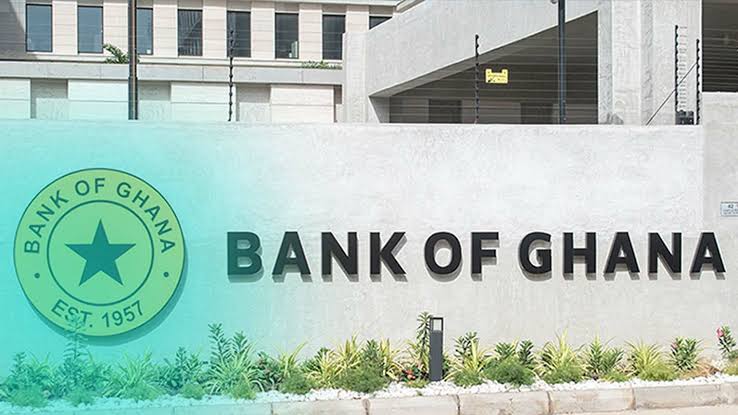
The Bank of Ghana is the country’s central bank. Established in 1957, it is responsible for managing Ghana’s monetary policy, regulating the banking sector, issuing the national currency, and promoting financial stability.
Unlike commercial banks that provide loans and savings accounts to customers, the Bank of Ghana oversees the entire financial system and works to ensure that the economy remains stable.
One of its most important responsibilities is keeping inflation under control.
What Is Inflation?
Inflation is the rate at which the prices of goods and services increase over time.
When inflation is high, the cost of living rises because people have to spend more money to buy the same goods and services.
For example, if the price of cooking oil, rice, transport fares, and electricity continues to increase, households will need larger budgets to cover their monthly expenses.
Keeping inflation at a manageable level helps protect the purchasing power of consumers.
Why Does the Bank of Ghana Want Low and Stable Inflation?
The goal is not to eliminate inflation completely. A small amount of inflation is considered normal in a growing economy.
However, very high inflation creates uncertainty. It makes it harder for businesses to plan, discourages investment, and reduces the value of people’s incomes and savings.
Stable inflation helps businesses make long-term plans, encourages investment, and gives consumers greater confidence when making financial decisions.
What Is the Monetary Policy Rate?
One of the Bank of Ghana’s most powerful tools is the Monetary Policy Rate (MPR).
This is the benchmark interest rate that influences how much commercial banks pay to borrow money.
Changes to the Monetary Policy Rate often affect lending rates, savings rates, and borrowing costs throughout the economy.
Although consumers do not borrow directly from the Bank of Ghana, its decisions can eventually influence the interest rates offered by commercial banks.
What Happens When the Bank of Ghana Raises Interest Rates?
When inflation becomes too high, the Bank of Ghana may increase the Monetary Policy Rate.
Higher interest rates usually make borrowing more expensive.
As loans become more costly, individuals and businesses may reduce spending and postpone some purchases or investments.
When demand slows, pressure on prices may also ease, helping inflation gradually decline.
This process usually takes time, and the effects are not immediate.
What Happens When Interest Rates Are Reduced?
If inflation is under control and the economy needs support, the Bank of Ghana may decide to lower the Monetary Policy Rate.
Lower interest rates can make borrowing more affordable.
Businesses may invest in expansion, while individuals may find it easier to finance projects such as buying a home or starting a business.
Higher spending can stimulate economic activity, although the Bank of Ghana must carefully balance growth with the risk of increasing inflation.
How Does the Bank of Ghana Influence Money Supply?
Another way the central bank manages inflation is by influencing the amount of money circulating in the economy.
If too much money is available while the supply of goods and services remains limited, prices can rise more quickly.
Through its monetary policy operations, the Bank of Ghana seeks to maintain a balance between the money supply and economic activity.
This helps reduce excessive inflation while supporting sustainable economic growth.
Why Does the Exchange Rate Matter?
The value of the Ghana cedi also affects inflation. Ghana imports many products, including fuel, machinery, medicines, and industrial equipment.
When the cedi loses value against major foreign currencies, imported goods often become more expensive. Businesses may then pass some of those higher costs on to consumers by increasing prices.
Although exchange rates are influenced by many global and domestic factors, maintaining confidence in the economy can help support currency stability.
How Does Inflation Affect Businesses?
Businesses are directly affected when inflation rises.
Higher fuel prices, transportation costs, electricity bills, and raw material expenses can increase operating costs.
Some companies may reduce expansion plans, while others may adjust prices to maintain profitability.
Stable inflation creates a more predictable business environment, allowing companies to plan investments with greater confidence.
How Does Inflation Affect Ordinary Ghanaians?
Inflation affects nearly every household.
As prices increase, families may have to spend more on groceries, transport, healthcare, school fees, and utilities.
If salaries do not increase at the same pace, household budgets become more difficult to manage.
People may also delay major purchases or reduce discretionary spending to cope with higher living costs.
Can the Bank of Ghana Control Inflation Alone?
No.
Although the Bank of Ghana plays a leading role, inflation is influenced by many other factors.
These include:
Global oil prices.
Food production.
Weather conditions.
Exchange rate movements.
Government fiscal policies.
International supply chain disruptions.
Because of this, controlling inflation often requires cooperation between the central bank, the government, businesses, and consumers.
Why Do Monetary Policy Decisions Receive So Much Attention?
Investors, businesses, and financial markets closely monitor every Monetary Policy Committee announcement.
These decisions provide insight into how the Bank of Ghana views the economy and what it expects in the months ahead.
Changes in interest rates can influence borrowing costs, investment decisions, exchange rates, and consumer confidence.
As a result, they are among the most important economic announcements made during the year.
Final Thoughts
The Bank of Ghana plays a vital role in maintaining economic stability by working to keep inflation under control. Although its decisions may not immediately reduce prices, they help create conditions that support sustainable growth and protect the value of the Ghana cedi over time.
Understanding how the central bank operates allows individuals, businesses, and investors to make more informed financial decisions. Whether you are applying for a loan, saving for the future, or managing a business, the Bank of Ghana’s policies can have a direct impact on your finances.
As Ghana’s economy continues to develop, staying informed about monetary policy and inflation will become even more important for anyone who wants to understand how the country’s financial system works.
Frequently Asked Questions (FAQs)
What is the Bank of Ghana?
The Bank of Ghana is the country’s central bank. It manages monetary policy, regulates banks, issues the national currency, and works to maintain economic stability.
What is inflation?
Inflation is the general increase in the prices of goods and services over time, reducing the purchasing power of money.
What is the Monetary Policy Rate?
The Monetary Policy Rate is the benchmark interest rate set by the Bank of Ghana that influences borrowing and lending rates across the economy.
Why does the Bank of Ghana raise interest rates?
It may raise interest rates to reduce spending and borrowing when inflation is too high, helping to slow the pace of price increases.
Does the Bank of Ghana control inflation by itself?
No. Inflation is affected by many factors, including global commodity prices, exchange rates, government policies, and weather conditions.
Why should ordinary Ghanaians care about monetary policy?
Monetary policy can influence loan repayments, savings returns, business investment, employment, and the overall cost of living.