Ghana’s IMF programme has ended: What the “Policy Partnership” era means next

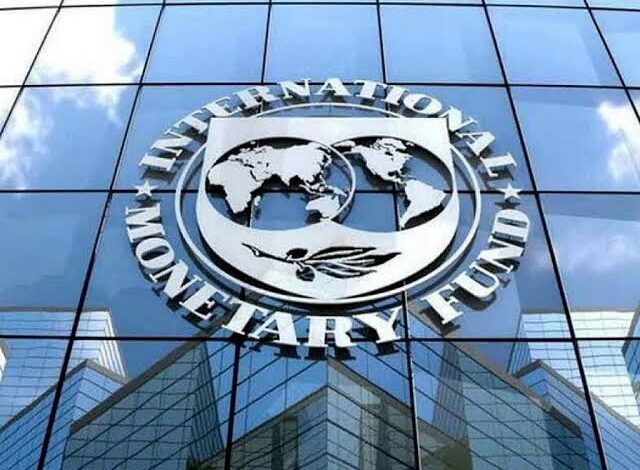
Ghana’s IMF programme has come to a close. A new chapter, described as a Policy Partnership, now begins. This shift marks a significant moment in Ghana’s recent economic history. Here is what it actually means.
What the IMF Programme Involved
Ghana entered its most recent IMF programme during a period of significant economic strain. The country faced a debt crisis, high inflation, and currency depreciation that required external support to stabilize. The programme came with specific conditions, including fiscal discipline targets, debt restructuring requirements, and structural reforms aimed at strengthening the broader economy over time.
These programmes typically involve regular reviews, where the IMF assesses whether a country is meeting agreed targets before releasing further funding tranches. Ghana’s programme followed this familiar pattern, with the government implementing various fiscal and structural measures throughout the programme’s duration.
Why the Programme’s End Matters
Completing an IMF programme represents a significant milestone. It generally signals that a country has met the core conditions set out at the programme’s start, achieving a level of macroeconomic stability sufficient to move beyond the more intensive, closely monitored support arrangement an IMF programme represents.
For Ghana specifically, this completion suggests meaningful progress on the specific fiscal and economic stabilization goals set when the programme began. This does not mean every economic challenge facing the country has been fully resolved, but it does represent formal recognition of substantial progress toward the programme’s core objectives.
What a Policy Partnership Actually Means
Moving from a full IMF programme into a policy partnership arrangement typically represents a less intensive form of engagement between a country and the IMF. Rather than the close monitoring and conditional funding tranches characteristic of a full programme, a policy partnership generally involves continued technical cooperation and advisory support, without the same binding financial conditions attached.
This kind of transition often signals graduated confidence in a country’s economic management capacity, moving from a relationship requiring close, conditional oversight toward one built more around ongoing cooperation and advisory support as the country continues managing its economy more independently.
The Broader Context of Ghana’s Economic Recovery
This transition arrives following a challenging period for Ghana’s economy, one that included significant currency depreciation, elevated inflation, and debt restructuring negotiations with both domestic and international creditors. Understanding this broader recovery context helps clarify why completing the IMF programme represents a genuinely significant milestone, rather than simply a routine administrative transition.
Ghana’s specific economic challenges in recent years reflected a combination of global economic pressures, including elevated global interest rates and commodity price volatility, alongside domestic fiscal management issues that had built up over an extended period before the IMF programme began.
What This Means for Everyday Ghanaians
For ordinary Ghanaians, the practical significance of this transition depends heavily on how effectively the underlying economic stabilization translates into tangible improvements in daily economic conditions. Formal programme completion represents an important institutional milestone, but many Ghanaians continue navigating real economic pressures, including cost of living concerns that persist even as broader macroeconomic indicators show improvement.
This gap between macroeconomic stabilization and lived economic experience is a common pattern following IMF programme completions globally. Formal economic indicators can improve meaningfully while individual households continue feeling the residual effects of the underlying economic challenges that necessitated the programme in the first place.
The Fiscal Discipline Question Going Forward
One important question following any IMF programme completion involves whether the fiscal discipline established during the programme period will be sustained once the more intensive external monitoring arrangement ends. Some countries have successfully maintained fiscal discipline following programme completion, while others have seen fiscal pressures gradually re-emerge once the more binding external oversight structure relaxes.
Ghana’s ability to maintain the fiscal discipline established during its recent IMF programme will likely depend significantly on sustained domestic political commitment to prudent fiscal management, even without the same external conditionality that characterized the programme period specifically.
What Analysts Are Watching For
Economic analysts and international observers will likely watch several key indicators closely following this transition. Continued fiscal discipline, particularly regarding government spending relative to revenue collection, represents one important marker. Currency stability and inflation trends will also receive continued close attention, given their direct relevance to everyday cost of living conditions across Ghana.
Debt sustainability represents another significant ongoing consideration. While Ghana’s recent debt restructuring efforts addressed immediate crisis-level debt distress, ensuring debt levels remain sustainable over the longer term will require continued fiscal discipline and prudent borrowing decisions going forward, independent of the more intensive IMF programme oversight that previously helped enforce these considerations.
The Political Dimension
Economic transitions of this scale often carry political significance alongside their technical economic dimensions. The government will likely frame this programme completion as evidence of successful economic stewardship, a natural political narrative following the completion of a challenging economic stabilization programme.
Opposition voices may offer more critical assessments, potentially highlighting ongoing cost of living challenges or questioning whether the underlying economic improvements are sufficiently robust and sustainable. This kind of political debate around economic performance is a normal feature of democratic political discourse, particularly following significant economic milestones like this one.
How This Compares to Other Countries’ IMF Programme Completions
Ghana is far from the first country to complete an IMF programme and transition toward a different form of engagement. Various countries globally have gone through similar transitions, with outcomes varying significantly based on how effectively each country sustained the fiscal and structural reforms established during their respective programme periods.
Countries that have successfully maintained programme-era reforms following completion have generally seen more durable economic stability, while those that relaxed fiscal discipline once external monitoring eased have sometimes faced renewed economic pressures requiring subsequent support arrangements. This comparative history offers a useful lens for understanding both the opportunity and the risk Ghana faces during this current transition period.
What Businesses Should Watch
For Ghanaian businesses, this transition carries practical implications worth monitoring closely. Continued macroeconomic stability, including manageable inflation and reasonable currency stability, matters significantly for business planning and investment decisions. Businesses that experienced significant disruption during the more acute phase of Ghana’s recent economic challenges will likely watch closely for continued signs of stability as the country moves into this new policy partnership phase.
Access to credit and financing conditions may also continue evolving as Ghana’s broader economic relationship with international financial institutions shifts following this programme completion, potentially affecting borrowing costs and credit availability for businesses across various sectors.
The Role of Continued International Cooperation
Even outside a formal IMF programme, Ghana’s economic relationships with international financial institutions and development partners are likely to continue in various forms. Technical assistance, policy advisory support, and cooperation on specific development initiatives often continue well beyond the conclusion of a formal lending programme, reflecting an ongoing, evolving relationship rather than a complete disengagement.
This continued cooperation can provide valuable ongoing support for Ghana’s economic institutions as they navigate the transition toward greater independent economic management, offering access to international expertise and best practices without the same binding conditionality that characterized the more intensive programme period.
The Bottom Line
Ghana’s transition from a full IMF programme into a policy partnership arrangement represents a genuinely significant milestone in the country’s recent economic history, reflecting substantial progress on the fiscal and structural targets established when the programme began. Whether this transition ultimately translates into sustained, durable economic stability and meaningful improvement in everyday economic conditions for Ghanaians will depend significantly on continued fiscal discipline and prudent economic management going forward.
For now, this transition marks an important, largely positive chapter in Ghana’s economic recovery story, though the real test will come in how effectively the country sustains this progress without the same intensive external oversight that characterized the programme period specifically.


2 Comments